

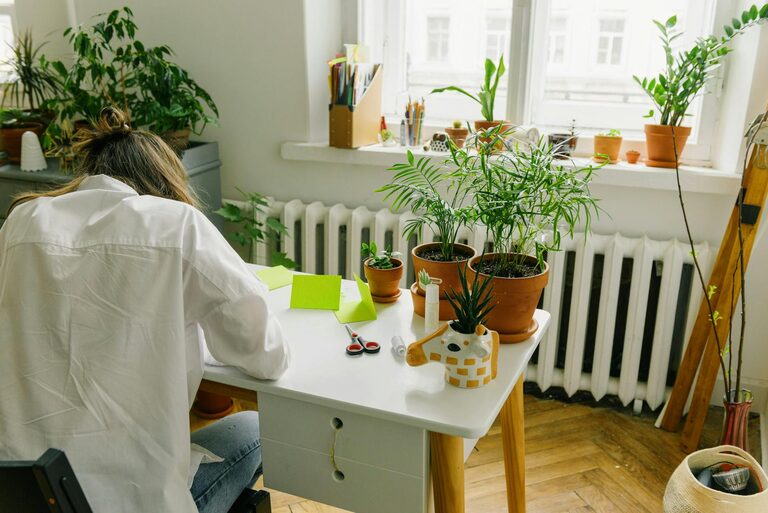
Creating a relaxing home workspace is essential for anyone who spends significant time working remotely or managing tasks at home. A calm and comfortable environment helps reduce stress, improve focus, and increase overall productivity. Whether you have an entire room or just a small corner to dedicate to your work, you can design a space that feels inviting and peaceful. Here are some practical tips to help you create your ideal relaxing home workspace.
1. Choose the Right Location
Selecting the perfect spot in your home is the first step. Ideally, pick an area with:
– Natural light: Exposure to daylight can boost mood and energy.
– Minimal distractions: Look for a quiet space away from heavy foot traffic or noisy appliances.
– Adequate space: Ensure there’s enough room for your desk, chair, and any tools or equipment you need.
If space is limited, a small nook or corner near a window can work well. The key is to make sure the location supports focus and comfort.
2. Invest in Comfortable Furniture
Comfort plays a big role in how relaxing your workspace feels. Consider:
– Ergonomic chairs: These support your posture and reduce physical strain.
– Adjustable desks: Options like standing desks or adjustable-height desks help vary your working positions.
– Sufficient desk space: Having enough room to spread out your work materials prevents clutter and frustration.
Prioritize quality over aesthetics when it comes to furniture, since you’ll spend many hours using these pieces.
3. Use Soothing Colors and Decor
Colors and decor influence mood profoundly. To foster relaxation:
– Choose calming colors: Soft blues, greens, light grays, and neutral tones tend to create a tranquil atmosphere.
– Add natural elements: Incorporate plants, wooden accents, or stones to bring the outdoors inside.
– Limit clutter: Keep decorations minimal and meaningful to avoid distraction.
Personal touches like artwork or photos can make the space feel inviting without overwhelming it.
4. Organize Your Workspace Effectively
A tidy workspace promotes clear thinking and reduces anxiety.
– Use storage solutions: Bins, drawers, and shelves help keep supplies organized and out of sight.
– Declutter regularly: Set aside time weekly to clear unnecessary papers or items.
– Organize cables: Use clips or cable boxes to manage cords neatly.
Good organization also saves time by making it easier to find what you need.
5. Control Lighting and Air Quality
Proper lighting and fresh air are vital for productivity and relaxation.
– Lighting: Combine natural light with adjustable artificial lighting. Use desk lamps with warm light to reduce eye strain.
– Air quality: Open windows when possible, or use an air purifier to maintain fresh air circulation.
Avoid harsh overhead lights or fluorescent bulbs that can feel cold and tiring.
6. Create a Personalized Relaxation Corner
If space allows, add a small area for breaks and relaxation.
– Comfortable seating: A cozy chair or small couch invites short breaks.
– Relaxing items: A diffuser with essential oils, a small bookshelf with inspiring reads, or calming music can help recharge your mind.
– Mindfulness tools: Incorporate items like a meditation cushion or stress-relief balls.
Taking regular breaks in a designated zone helps maintain balance during your workday.
7. Minimize Noise Distractions
Noise can interrupt concentration and increase stress.
– Use noise-canceling headphones: These are great for blocking out background noise.
– Play ambient sounds: Nature sounds or soft instrumental music can create a peaceful atmosphere.
– Soundproofing: If possible, add rugs, curtains, or acoustic panels to reduce echo and outside noise.
Creating a quiet environment helps you stay focused and relaxed.
8. Set Boundaries and Maintain Routine
Even the most beautiful workspace won’t be relaxing if work hours blend endlessly into personal time.
– Establish clear work hours: Communicate your schedule to family or housemates.
– End your workday with a ritual: This might be shutting down your computer or tidying your desk.
– Keep the area for work only: Avoid mixing your workspace with leisure or sleeping areas to separate work from rest.
Having boundaries strengthens your ability to unwind outside of work hours.
—
Final Thoughts
Designing a relaxing home workspace is about balancing comfort, functionality, and personal style. By choosing the right location, investing in ergonomic furniture, calming colors, and keeping your area organized, you create an environment where work feels less stressful and more enjoyable. Small changes to lighting, noise control, and having a dedicated relaxation spot further enhance your ability to focus and recharge.
Remember, your workspace should serve you—take the time to tailor it to your needs, and you’ll notice the benefits in both your productivity and well-being.