

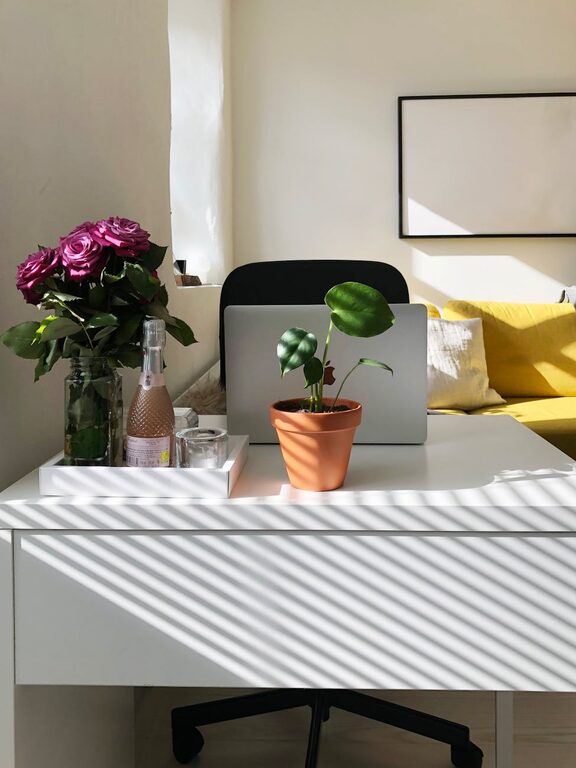
Creating a relaxing home workspace is essential for anyone working remotely or spending significant time at home. A well-designed area not only boosts your productivity but also promotes comfort and reduces stress throughout the day. Whether you have a dedicated office room or just a small corner, these tips will help you transform your space into a calm and efficient work environment.
Why a Relaxing Workspace Matters
A cluttered or uncomfortable workspace can lead to distractions, fatigue, and decreased motivation. On the other hand, a thoughtfully arranged workspace encourages focus and creativity. By prioritizing relaxation and organization, you set the stage for productive work sessions and overall well-being.
1. Choose the Right Location
Selecting the ideal spot for your workspace is the first step. Ideally, pick a quiet area with minimal foot traffic to reduce interruptions. If possible, position your desk near a window to enjoy natural light and views, which can improve mood and energy.
Tips for Choosing Location
– Avoid areas near loud appliances or television.
– Consider a room with a door to close when focus is needed.
– Use noise-cancelling headphones if your space has unavoidable noise.
2. Invest in Comfortable Furniture
Your chair and desk are the foundation of your workspace comfort. Ergonomic furniture helps prevent discomfort and physical strain during long hours.
What to Look For
– An adjustable chair with good lumbar support.
– A desk at a height that allows your arms to rest comfortably.
– A footrest if your feet don’t reach the floor naturally.
3. Optimize Lighting
Proper lighting reduces eye strain and creates a calm atmosphere.
Lighting Tips
– Maximize natural light during the day.
– Use a desk lamp with adjustable brightness for cloudy days or evening work.
– Choose light bulbs with warm tones to create a cozy feel.
4. Declutter and Organize
Keeping your workspace tidy has a direct impact on your mental clarity.
Organization Strategies
– Use drawer organizers to keep supplies neat.
– Employ shelves or filing systems for documents and books.
– Limit your desktop items to essentials only.
5. Personalize Your Space
Adding personal touches can make your workspace feel more inviting and relaxing.
Ideas to Personalize
– Include a few plants to bring nature indoors and improve air quality.
– Hang artwork or inspirational quotes that motivate you.
– Choose colors and decor that you find calming and uplifting.
6. Create a Calm Atmosphere
Small additions can help you maintain a peaceful mindset.
Atmosphere Enhancers
– Use a diffuser with calming scents like lavender or eucalyptus.
– Play soft background music or white noise to mask distractions.
– Keep a cozy blanket or cushion nearby for comfort during breaks.
7. Set Boundaries and Routines
A relaxing workspace benefits from routines and clear boundaries to separate work from home life.
Tips for Boundaries
– Define specific work hours and stick to them.
– Inform family or housemates of your schedule to minimize interruptions.
– Take regular breaks to stretch and rest your eyes.
8. Keep Technology in Check
Technology is essential but can become a source of stress if not managed well.
Tech Tips
– Use cable organizers to reduce tangled wires.
– Choose wireless devices to keep your desk clear.
– Regularly update software and equipment to avoid technical disruptions.
Final Thoughts
Transforming your home workspace into a relaxing and productive haven takes time and attention to detail. By focusing on comfort, organization, lighting, and atmosphere, you can create a space that supports your best work and wellbeing. Start with small changes, be patient, and enjoy the positive impact on your daily routine.