

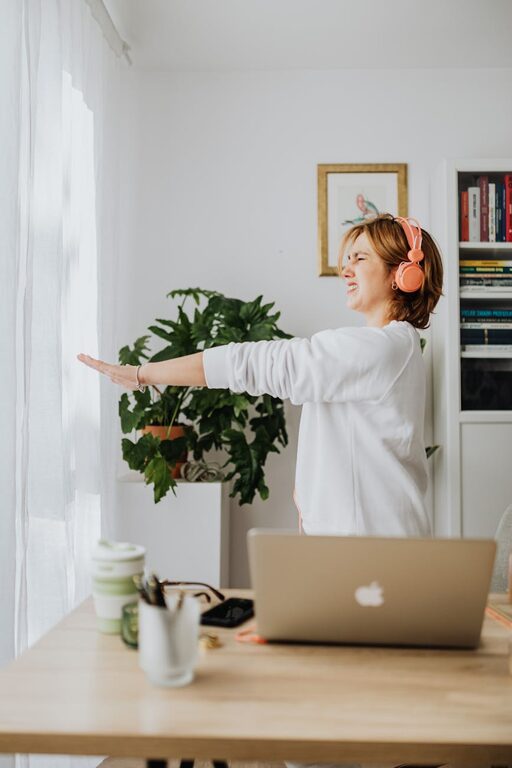
Creating a relaxing home workspace is essential for anyone looking to maintain productivity while preserving well-being. With more people working from home than ever before, having a dedicated area that supports focus and comfort can make a big difference in daily work performance and personal satisfaction.
This article offers practical tips for setting up a home office environment that feels inviting, calming, and efficient.
Why a Relaxing Home Workspace Matters
Working from home blurs the lines between personal and professional life. Without a clear separation, it’s easy to become overwhelmed or distracted. A well-designed workspace helps:
– Improve concentration and focus
– Reduce stress and fatigue
– Encourage good posture and physical health
– Enhance motivation and creativity
– Promote a healthy work-life balance
By intentionally creating a space that feels relaxing and inviting, you can support your productivity and well-being throughout the day.
Choosing the Right Location
Find a Quiet Spot
Choose an area in your home where distractions are minimal. This might be a spare room, a corner of your bedroom, or a nook near a window. Ideally, this spot is separate from high-traffic or noisy areas.
Maximize Natural Light
Natural light positively affects mood and energy. Place your workspace near a window if possible. If natural light is limited, invest in quality daylight-mimicking lamps to keep the space bright and comfortable.
Furniture and Ergonomics
Invest in a Comfortable Chair
Ergonomic support is crucial for long hours of work. Invest in an adjustable chair that supports your back and encourages good posture. Avoid sitting on sofas or beds, which can cause discomfort over time.
Select the Right Desk
Choose a desk or table with ample surface area to hold your computer, notes, and other essentials. Adjustable desks that allow you to switch between sitting and standing can also be beneficial for your health.
Organize for Efficiency
Keep your workspace uncluttered. Use shelves, drawers, or organizers to store supplies neatly. A clear desk can help minimize distractions and make it easier to focus.
Adding Calming Elements
Use Soothing Colors
Colors impact mood and concentration. Soft blues, greens, and neutral tones tend to create a relaxing atmosphere. Consider painting your walls or adding decorative accents in these hues.
Incorporate Plants
Indoor plants improve air quality and bring a touch of nature indoors. Even a small potted plant on your desk can boost your mood and reduce stress.
Control Noise and Ambiance
If background noise is unavoidable, use noise-cancelling headphones or play soft instrumental music. Aromatherapy with subtle scents like lavender or eucalyptus can also create a calming environment.
Enhancing Lighting and Screen Setup
Adjust Screen Brightness
Avoid eye strain by adjusting your computer screen brightness to match surrounding light. Position your monitor to reduce glare from windows or lamps.
Use Task Lighting
A dedicated desk lamp provides focused light for tasks like reading or writing without illuminating the entire room, which can reduce eye fatigue.
Promote Healthy Habits Within Your Workspace
Take Regular Breaks
Stand up and stretch or walk around every hour. This helps prevent stiffness and keeps your energy levels steady.
Stay Hydrated and Snack Wisely
Keep a water bottle handy and opt for healthy snacks to stay energized without sugar crashes.
Personalize Thoughtfully
Add personal touches like photos or art that make you feel happy and inspired, but avoid overcrowding your space.
Smart Technology and Connectivity
Use Reliable Equipment
High-quality internet and updated devices minimize frustration and interruptions.
Keep Cables Tidy
Use cable organizers to keep cords neat and out of the way, fostering a calm visual environment.
Maintaining Your Workspace
Make it a habit to tidy your workspace daily. At the end of each workday, clear away documents and reset the area. This signals the end of work time and prepares you for the next day.
Final Thoughts
Designing a relaxing home workspace is about balancing function with comfort. By choosing a quiet, well-lit location, investing in ergonomic furniture, and incorporating calming elements, you set the stage for productive and fulfilling workdays. Remember that your workspace should evolve with your needs—feel free to adjust and personalize it over time to best support your well-being and goals.
With these tips, you can create a home office that feels less like work and more like a space where you can thrive.